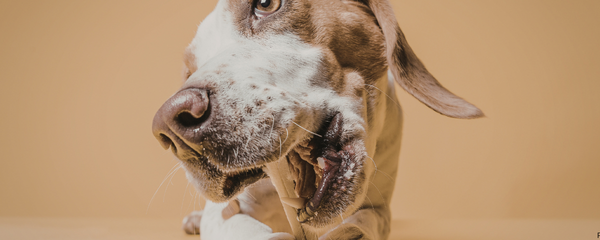
If your dog struggles with anxiety—whether it’s triggered by loud noises, separation, travel, or unfamiliar environments—you're not alone. Many UK dog owners are turning to Calming Chews for Dogs as a simple, non-invasive way to help their pets feel more relaxed and comfortable. But with so many options available, how do you know which ones actually work and which to avoid? In this guide, we’ll break down everything you need to know about choosing the best dog calming treats, including how they work, what ingredients to look for, and how to make a safe, informed decision for your dog.
What Are Calming Chews for Dogs?
Calming chews are soft, edible supplements designed to help dogs feel calm and relaxed. Unlike medication prescribed by a vet, most natural calming chews for dogs are made with plant-based ingredients, amino acids, and vitamins that support relaxation without sedation.
They’re commonly used for:
- Fireworks and thunderstorms
- Separation anxiety
- Travel or vet visits
- Hyperactivity or nervous behaviour
- Changes in routine or environment
The goal isn’t to make your dog drowsy but to help them feel more at ease.
How Do Calming Chews Work?
The top calming chews for dogs typically use a blend of ingredients that support the nervous system and help dogs stay relaxed.
Key calming ingredients to look for:
- L-Theanine – An amino acid that promotes relaxation without drowsiness
- Chamomile – Known for its mild calming properties
- Valerian Root – Traditionally used to support relaxation and restful sleep
- Passionflower – Supports mood balance
- Magnesium – Helps regulate nerve function
- Melatonin (in some formulas) – Supports sleep cycles; ask your vet before giving any product containing melatonin
Pambros Calming Chews do not contain melatonin, hemp or CBD. They combine L-theanine, lemon balm, chamomile, valerian, passion flower, ashwagandha, rhodiola, magnesium, vitamin B6 and alpha-casozepine (from milk), with prebiotic FOS and probiotics. They contain milk and duck, so check for allergies first.
Benefits of Calming Chews
Choosing high-quality calming chews for dogs can offer several benefits:
Helps Support Calm Behaviour
Whether it’s loud noises or separation, calming chews can help your dog cope better with stress triggers.
Non-Sedating Formula
Most natural options won’t make your dog groggy—just more relaxed.
Easy to Administer
Chews are usually flavoured, making them feel like a treat rather than a supplement.
Supports Long-Term Behaviour
With consistent use, some owners find their dogs settle more easily over time.
What to Look for in the Best Dog Calming Treats
Not all calming chews are created equal. Here’s what to consider before buying:
1. Natural Ingredients
Look for natural calming chews for dogs with clearly listed ingredients. Avoid artificial additives, colours, or preservatives.
2. Transparency & Quality
Choose brands that are open about sourcing and manufacturing. High-quality brands like Pambros emphasise trust, safety, and ingredient clarity.
3. No Harsh Sedatives
Avoid products that overly sedate your dog. The aim is calmness—not lethargy.
4. Positive Customer Feedback
Reviews from other UK dog owners can give you real insight into effectiveness.
5. Suitable for Your Dog’s Size & Needs
Some chews are formulated specifically for small, medium, or large dogs.
What to Avoid Before Buying
While there are many effective options, there are also products that may not deliver the results you’re looking for.
Products with Artificial Fillers
Low-quality fillers can reduce effectiveness and may cause digestive upset.
Unclear Labelling
If the ingredient list is vague or incomplete, it’s best to avoid it.
Overpromising Claims
Be cautious of products claiming instant or “miracle” results. Calming chews work gradually and vary from dog to dog.
Excessive Melatonin
While melatonin can be helpful, too much may lead to unwanted drowsiness or side effects.
When Should You Use Calming Chews?
Timing matters when it comes to effectiveness.
- Before stressful events: Give chews 30–60 minutes before fireworks, travel, or vet visits.
- Daily use for ongoing anxiety: Some dogs benefit from regular supplementation.
- During behavioural training: Helps reinforce calm responses
Always follow the recommended dosage based on your dog’s weight and consult your vet if your dog has existing health conditions.
How much to give: Pambros Calming Chews by weight
| Dog's weight | Chews per day |
|---|---|
| Up to 10 kg | ½ chew |
| 11–25 kg | 1 chew |
| 26–40 kg | 2 chews |
| Over 40 kg | 3 chews |
For puppies, or dogs that are pregnant, nursing or on medication, check the pack and ask your vet before use.
How to Get the Best Results from Calming Treats
Calming treats for dog anxiety work best as one part of a wider plan, not on their own. Alongside a daily chew, these simple habits help support a more settled dog:
- Keep a consistent daily routine for walks, meals and bedtime
- Give regular exercise and mental stimulation, such as sniffing games and puzzle feeders
- Set up a quiet, safe space your dog can retreat to, especially during fireworks
- Use reward-based training to build calm behaviour
- Avoid punishment, which can make a nervous dog more worried
Give the chews consistently for a few weeks before judging how well they suit your dog. If your dog's anxiety is severe or getting worse, speak to your vet or a qualified behaviourist.
Why UK Dog Owners Are Choosing Natural Options
There’s a growing trend across the UK towards natural pet care—and calming chews are no exception.
Dog owners are increasingly seeking the following:
- Gentle, plant-based solutions
- Clearly labelled ingredients
- Long-term wellness support rather than quick fixes
This is where thoughtfully formulated products, like those offered by Pambros, stand out by focusing on both effectiveness and safety.
Do Calming Chews Work for All Dogs?
The short answer: not always.
Every dog is different. While many respond well to the best dog calming treats, results can vary depending on:
- The cause of anxiety
- Your dog’s temperament
- Consistency of use
- Overall health
For severe anxiety, calming chews may work best alongside behavioural training or veterinary advice.
Final Thoughts
Choosing the right calming chews for dogs doesn’t have to be complicated—but it does require a bit of research.
Focus on high-quality, natural ingredients, avoid unnecessary additives, and choose trusted brands like Pambros that prioritise your dog’s wellbeing.
When used correctly, calming chews can be a gentle and effective way to help your dog feel more relaxed, confident, and happy—no matter the situation.
FAQs
1. Are calming chews safe for dogs?
Yes, most natural calming chews for dogs are safe when used as directed. Always check ingredients and consult your vet if unsure.
2. How long do calming chews take to work?
Some owners give chews 30–60 minutes before a known trigger, but many calming supplements are designed for consistent daily use, and results vary from dog to dog.
3. Can I give calming chews every day?
Yes, many top calming chews for dogs are designed for daily use, especially for ongoing anxiety.
4. Do calming chews make dogs sleepy?
High-quality chews aim to relax your dog without causing drowsiness, though some ingredients may have mild calming effects.
5. What is the best dog calming treat?
The best dog calming treats are those made with natural ingredients, transparent labelling, and positive user feedback—like those from trusted brands such as Pambros.